Seaside Hydrangeas: The Perfect Flowers For Your Coastal Garden
Seaside Hydrangeas: The Perfect Flowers for Your Coastal Garden
If you live in a coastal area, you know that the salty air and sandy soil can be tough on plants. But there are some flowers that thrive in these conditions, and hydrangeas are one of them.
Hydrangeas are not only beautiful, but they are also relatively low-maintenance. They can tolerate full sun or partial shade, and they are not too fussy about the type of soil. They are also drought-tolerant once they are established, making them a good choice for areas with hot, dry summers.
There are many different types of hydrangeas, but some of the best varieties for coastal gardens include:
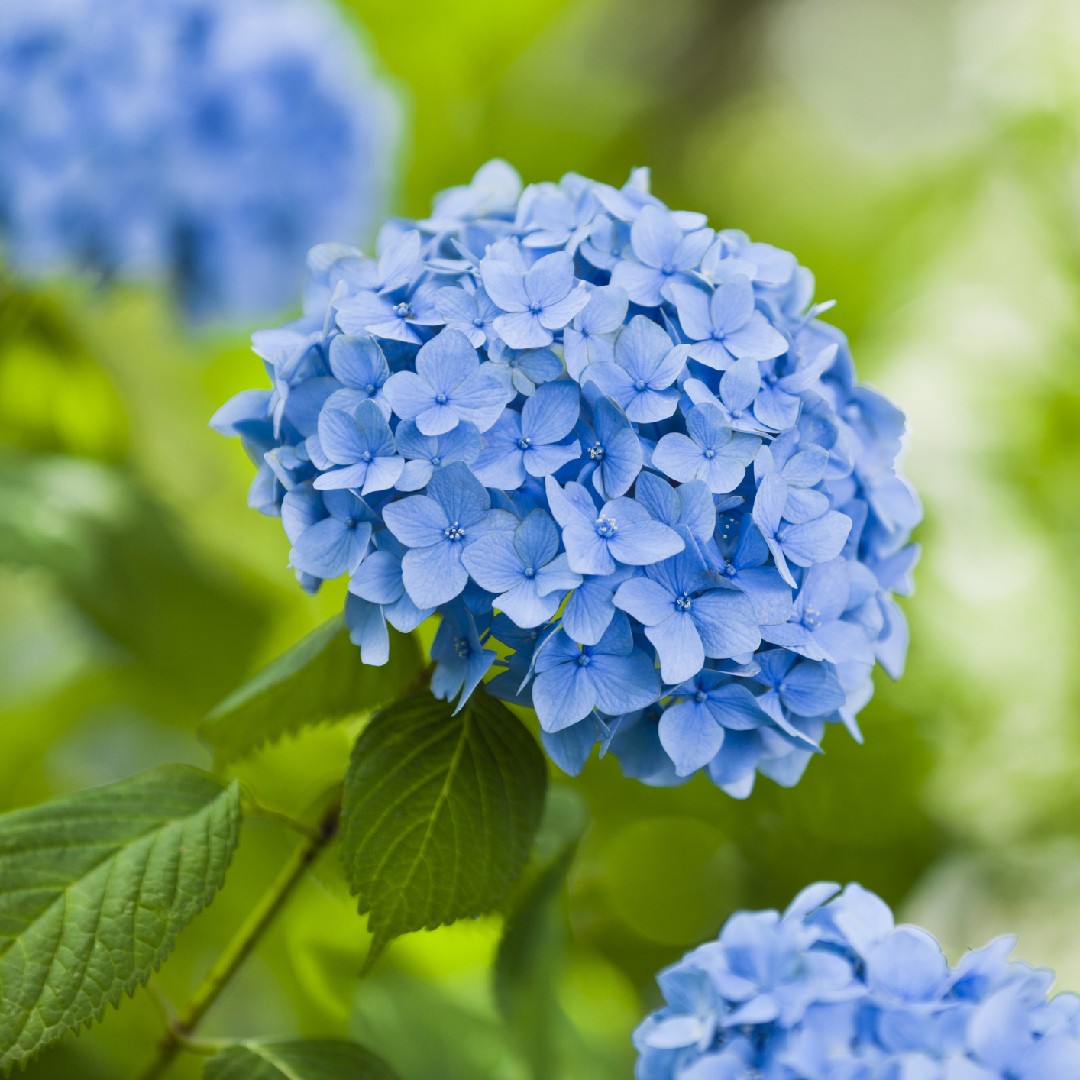
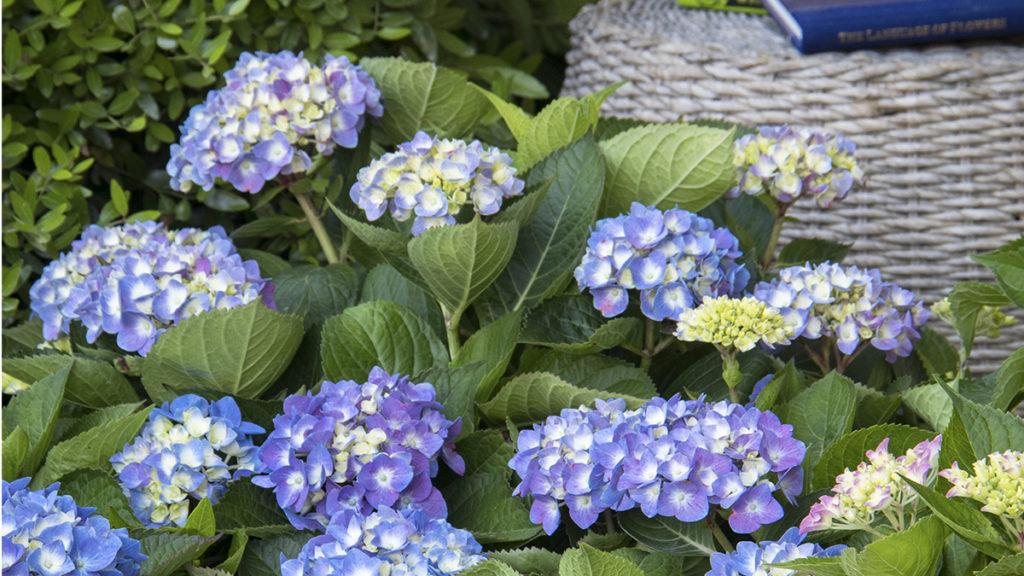
- Hydrangea macrophylla is the most common type of hydrangea. It produces large, showy blooms in shades of blue, pink, or white.
- Hydrangea paniculata is another popular choice for coastal gardens. It produces tall, conical blooms in shades of white, pink, or green.

- Hydrangea arborescens is a smaller variety of hydrangea that is well-suited for smaller gardens. It produces white or pink blooms in clusters.
When choosing hydrangeas for your coastal garden, it is important to consider the amount of sunlight and the type of soil you have. Hydrangea macrophylla and hydrangea paniculata prefer full sun, while hydrangea arborescens can tolerate partial shade. All three varieties can tolerate sandy soil, but they will do best in well-drained soil.
Hydrangeas are relatively easy to care for. They need regular watering, especially during the summer months. They also benefit from an application of fertilizer in the spring. In the fall, you can prune hydrangeas to shape them and remove any dead or damaged branches.
With proper care, hydrangeas can thrive in coastal gardens for many years. They are a beautiful and versatile addition to any seaside landscape.
Here are some additional tips for growing hydrangeas in coastal gardens:
- Plant hydrangeas in the spring or fall, when the weather is cool and wet.
- Amend the soil with compost or other organic matter to improve drainage.
- Mulch around the plants to help retain moisture and suppress weeds.
- Water hydrangeas regularly, especially during hot, dry weather.
- Fertilize hydrangeas in the spring with a balanced fertilizer.
- Prune hydrangeas in the fall to shape them and remove any dead or damaged branches.
- Protect hydrangeas from strong winds and salt spray.
With a little care and attention, hydrangeas can add beauty and color to your coastal garden for many years to come.
If you're looking for a beautiful and easy-to-care-for shrub for your garden, then you should consider the seaside hydrangea. These stunning plants are native to coastal areas of the United States and Canada, and they thrive in partial shade and moist soil. Seaside hydrangeas produce large, showy blooms in shades of pink, blue, or white, and they can grow up to 6 feet tall and wide.
If you're interested in learning more about seaside hydrangeas, I recommend visiting . This website has a wealth of information about these amazing plants, including care tips, planting instructions, and photos of different varieties. You can also find a list of local nurseries that sell seaside hydrangeas.
FAQ of seaside hydrangea
- What is a seaside hydrangea?
A seaside hydrangea is a type of hydrangea that is native to coastal areas of North America. It is a deciduous shrub that can grow up to 6 feet tall and wide. Seaside hydrangeas have large, showy flowers that bloom in the summer. The flowers can be white, pink, or blue, depending on the soil pH.
- Where can I plant a seaside hydrangea?
Seaside hydrangeas are well-suited for growing in coastal areas. They can tolerate salty air and wind. They also prefer full sun to partial shade. Seaside hydrangeas are not as cold-hardy as some other types of hydrangeas, so they are best grown in USDA zones 7-9.
- How do I care for a seaside hydrangea?
Seaside hydrangeas are relatively easy to care for. They need regular watering, especially during the hot summer months. They also benefit from being fertilized once a year in the spring. Seaside hydrangeas do not need to be pruned very often. A light pruning in the spring can help to keep the plant tidy and encourage new growth.
- Why are my seaside hydrangeas not blooming?
There are a few reasons why your seaside hydrangeas might not be blooming. One possibility is that they are not getting enough sun. Seaside hydrangeas need at least 6 hours of sunlight per day. Another possibility is that the soil is not acidic enough. Seaside hydrangeas prefer a soil pH of 5.5-6.5. If the soil is too alkaline, the flowers will be white instead of blue.
- How can I prevent my seaside hydrangeas from getting powdery mildew?
Powdery mildew is a common fungal disease that can affect seaside hydrangeas. It causes white, powdery spots to appear on the leaves and flowers. To prevent powdery mildew, you can water your plants in the morning so that the leaves have a chance to dry before nightfall. You can also remove any affected leaves and flowers. If powdery mildew does occur, you can treat it with a fungicide.
Image of seaside hydrangea
5 different images of "seaside hydrangea" from Pinterest:
- Image 1: A large, white seaside hydrangea bush blooming in a garden near the ocean. The hydrangea is surrounded by lush green leaves and the background is a blue sky and the ocean.
- Image 2: A close-up of a single seaside hydrangea bloom. The bloom is a light pink color with a white center. The petals are delicate and slightly ruffled.
- Image 3: A group of seaside hydrangea bushes planted in a row along a beach. The hydrangeas are in full bloom and their colorful blooms contrast beautifully with the white sand and blue ocean.

- Image 4: A seaside hydrangea bush in full bloom with a backdrop of crashing waves. The hydrangeas are a bright pink color and their blooms are large and fluffy.

- Image 5: A seaside hydrangea bush in a pot on a patio overlooking the ocean. The hydrangea is in full bloom and its blooms are a light blue color. The pot is white and it has a simple design.


Post a Comment for "Seaside Hydrangeas: The Perfect Flowers For Your Coastal Garden"