The Best Nightshade Companion Plants
The Best Nightshade Companion Plants
Nightshades are a family of plants that includes tomatoes, potatoes, eggplants, and peppers. These plants are all susceptible to some of the same pests and diseases, so it's important to plant them with companion plants that can help to deter pests and attract beneficial insects.
In this blog post, we will discuss the best nightshade companion plants. We will also provide some tips on how to plant and care for these plants together.
Introduction
Nightshades are a diverse group of plants that are native to tropical and subtropical regions around the world. They are known for their edible fruits and vegetables, as well as their medicinal properties.
Nightshades are also susceptible to a number of pests and diseases, including aphids, whiteflies, tomato hornworms, and late blight. Companion planting can help to deter these pests and diseases, and it can also improve the yield and quality of nightshade crops.
Main Content
Here are some of the best nightshade companion plants:
- Basil: Basil is a fragrant herb that is known to repel pests such as aphids, flies, and spider mites. It also attracts pollinators such as bees, which can help to improve the yield of nightshade crops.
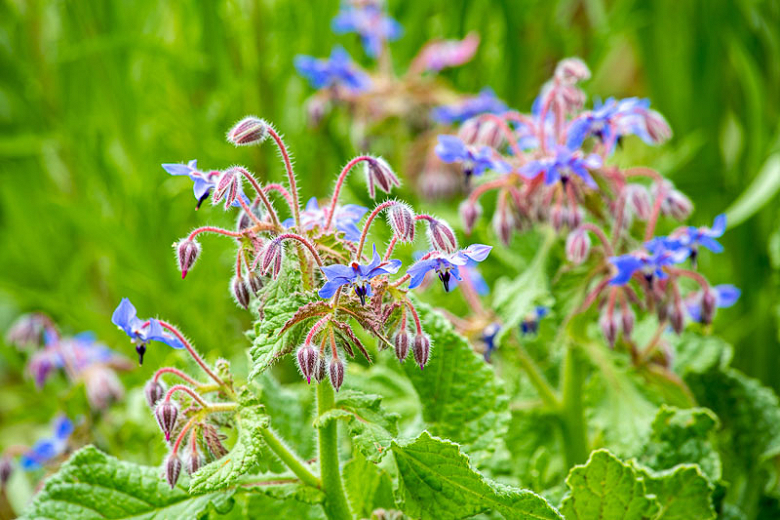
- Borage: Borage is another fragrant herb that is known to repel pests such as tomato hornworms. It also attracts pollinators and has beautiful blue flowers that can add visual interest to your garden.
- Cucumbers: Cucumbers can help to deter nematodes, which are pests that can damage nightshade roots. They can also help to improve the pollination of nightshade flowers.
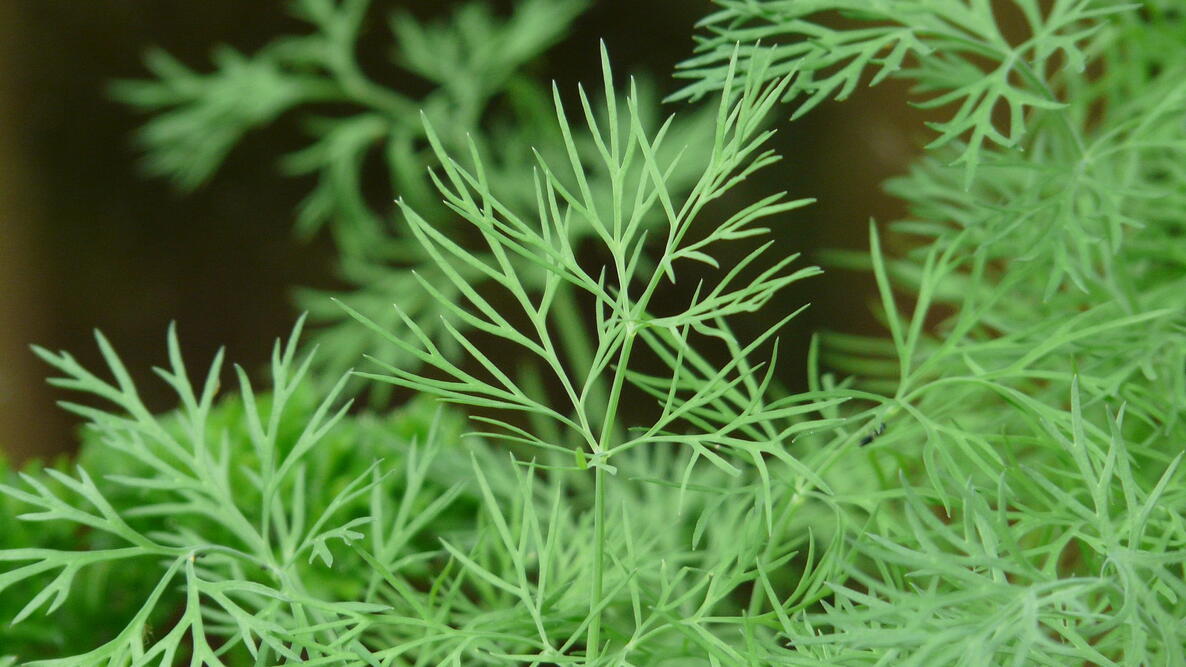
- Dill: Dill is a herb that can attract pollinators and beneficial insects such as ladybugs and lacewings. These insects can help to control pests that can damage nightshade crops.
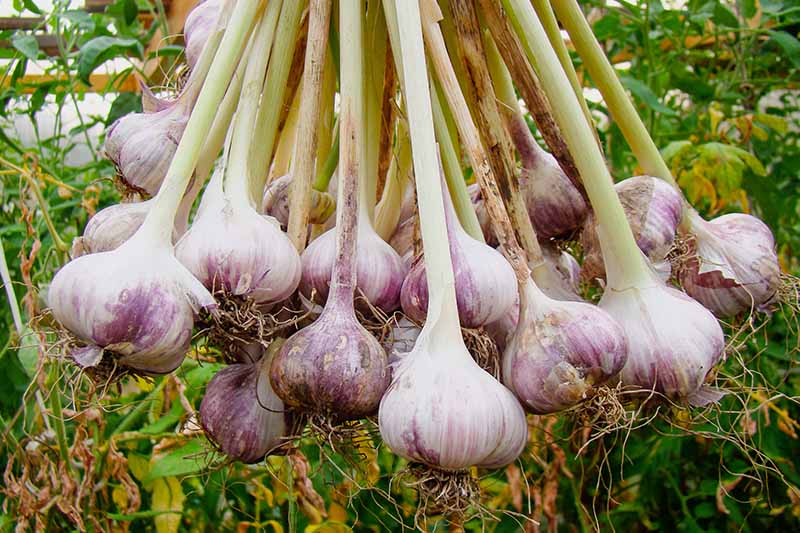
- Garlic: Garlic is a known pest repellent that can help to protect nightshade crops from aphids, whiteflies, and other insects. It can also help to improve the flavor of nightshade fruits and vegetables.
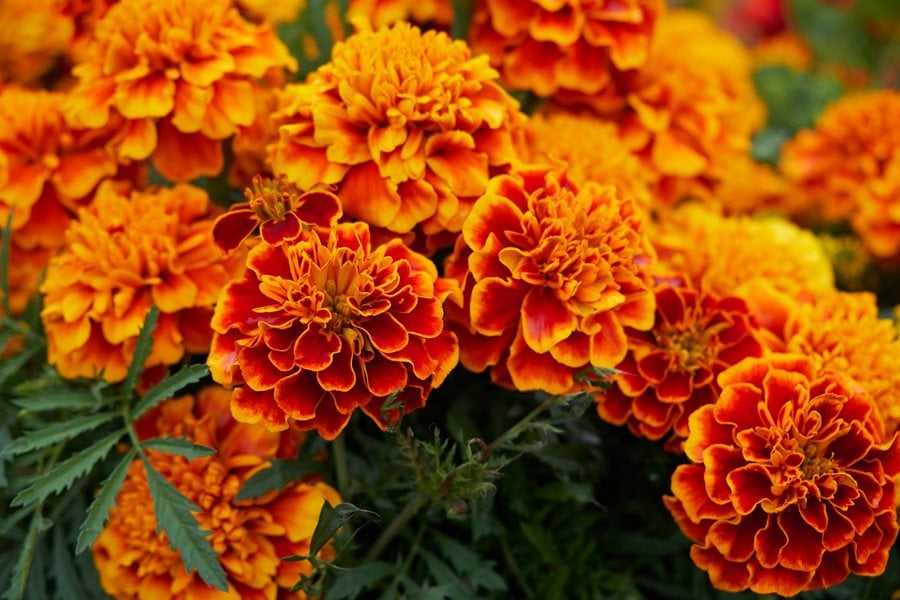
- Marigolds: Marigolds are another type of herb that is known to repel pests. They can help to protect nightshade crops from aphids, whiteflies, and nematodes. Marigolds can also help to improve the drainage of soil, which can benefit nightshade plants.
- Nasturtiums: Nasturtiums are a type of flowering plant that can attract beneficial insects such as ladybugs and lacewings. These insects can help to control pests that can damage nightshade crops. Nasturtiums can also help to improve the pollination of nightshade flowers.

- Onions: Onions are a known pest repellent that can help to protect nightshade crops from aphids, whiteflies, and other insects. They can also help to improve the flavor of nightshade fruits and vegetables.
- Peas: Peas can help to improve the nitrogen content of the soil, which can benefit nightshade plants. They can also help to deter pests such as aphids and whiteflies.
- Spinach: Spinach is a leafy green vegetable that can help to repel pests such as aphids and whiteflies. It can also help to improve the drainage of soil, which can benefit nightshade plants.

Conclusion
By planting nightshades with these companion plants, you can help to deter pests, attract beneficial insects, and improve the yield and quality of your nightshade crops.
Here are some additional tips for planting and caring for nightshades with companion plants:
- Plant nightshades and companion plants in full sun.
- Space nightshade plants according to their mature size.
- Water nightshade plants regularly, especially during hot, dry weather.
- Fertilize nightshade plants with a balanced fertilizer every few weeks.
- Inspect nightshade plants regularly for pests and diseases.
- Remove any diseased or infested leaves or plants immediately.
By following these tips, you can enjoy a bountiful harvest of nightshade fruits and vegetables for years to come.
Do you have nightshades in your garden? If so, you're in luck! There are many great companion plants that can help improve the growth and health of your nightshades.
Some of the best companion plants for nightshades include:
- Basil: Basil is a classic companion plant for tomatoes, and for good reason. It helps to deter pests, attract beneficial insects, and improve the flavor of tomatoes. Gardenia Inspiration
- Sunflowers: Sunflowers are another great companion plant for tomatoes. They help to attract pollinators and provide shade for tomatoes, which can help to prevent sunscald.
- Carrots: Carrots are a good companion plant for nightshades because they help to improve the soil quality. They also help to repel pests, such as carrot rust flies.
- Thyme: Thyme is a fragrant herb that can help to deter pests and attract beneficial insects. It also helps to improve the flavor of nightshades.
- Beans: Beans are nitrogen-fixing plants, which means they can help to improve the nitrogen content of the soil. This can benefit all of the plants in your garden, including nightshades.
If you're looking for more information about nightshade companion plants, I recommend visiting Gardenia Inspiration. This website has a wealth of information on the topic, including a list of the best companion plants for nightshades, as well as tips on how to plant and care for them.
FAQ of nightshade companion plants
- What are nightshade companion plants?
Nightshade companion plants are those that grow well together and can benefit each other. Some common nightshade companion plants include tomatoes, potatoes, eggplants, and peppers. These plants all thrive in full sun and well-drained soil. They can also help to deter pests and diseases.
- What are the benefits of planting nightshade companion plants together?
There are several benefits to planting nightshade companion plants together. First, they can help to deter pests and diseases. For example, tomatoes can help to repel aphids, while peppers can help to repel tomato hornworms. Second, nightshade companion plants can help to improve the soil. For example, potatoes can help to break up compacted soil, while eggplants can help to add nitrogen to the soil. Third, nightshade companion plants can help to improve the yield of each other. For example, tomatoes can help to improve the pollination of peppers.
- What are some good companion plants for nightshades?
In addition to the other nightshades, some good companion plants for nightshades include:
- Basil: Basil is a natural pest repellent that can help to keep aphids, mosquitoes, and other pests away from nightshades.
- Cucumbers: Cucumbers can help to attract pollinators to nightshades.
- Leeks: Leeks can help to repel root-knot nematodes, which can damage nightshade roots.
- Marigolds: Marigolds are another natural pest repellent that can help to keep aphids, whiteflies, and other pests away from nightshades.
- Peas: Peas can help to fix nitrogen in the soil, which can benefit nightshades.
- What are some bad companion plants for nightshades?
Some bad companion plants for nightshades include:
- Beans: Beans can compete with nightshades for nutrients and water.
- Cabbage: Cabbage can attract the same pests as nightshades, such as aphids and whiteflies.
- Melons: Melons can spread a soil-borne disease called verticillium wilt, which can damage nightshades.
- Onions: Onions can produce a chemical that can stunt the growth of nightshades.
- Spinach: Spinach can attract the same pests as nightshades, such as aphids and whiteflies.
- How far apart should nightshade companion plants be planted?
The spacing requirements for nightshade companion plants vary depending on the type of plant. However, in general, nightshades should be spaced at least 18 inches apart. This will give them enough room to grow and thrive.
Image of nightshade companion plants
- Nasturtium: Nasturtium is a flowering plant that is known for its edible leaves and flowers. It is a good companion plant for nightshades because it helps to deter pests and attract pollinators.

- Marigold: Marigold is another flowering plant that is known for its pest-deterrent properties. It is also a good companion plant for nightshades because it helps to improve the flavor of the fruits.
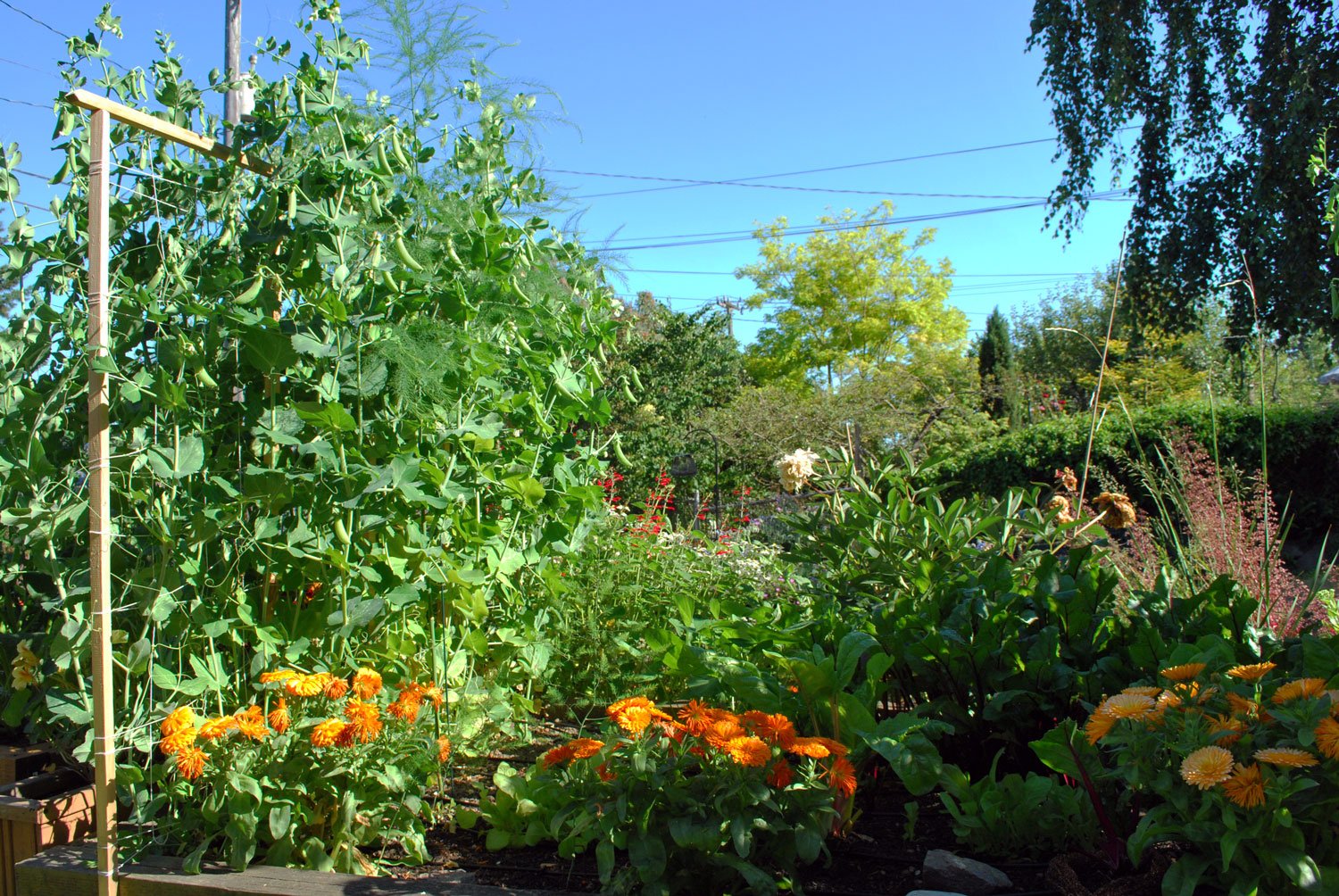
- Borage: Borage is a herb that is known for its nectar-rich flowers. It is a good companion plant for nightshades because it attracts pollinators, which help to improve the pollination rate of the plants.
- Chives: Chives are a herb that is known for its pungent smell. It is a good companion plant for nightshades because it helps to repel pests, such as aphids and spider mites.
- Cucumber: Cucumber is a vegetable that is known for its vining growth habit. It is a good companion plant for nightshades because it helps to shade the soil, which can help to prevent the spread of soil-borne diseases.

Post a Comment for "The Best Nightshade Companion Plants"